
How does an aircon work?
An aircon does not make cold air; it moves heat. Refrigerant absorbs heat from your room at the indoor coil, carries it through copper pipes to the outdoor unit and releases it outside. Most faults come from dirty coils or blower fans, a blocked drain, a gas leak, a worn fan motor or compressor, or the control electronics.
Key takeaways
- It is a sealed loop: refrigerant is never used up, so low gas always means a leak.
- The indoor coil makes water: in Singapore's humidity, a blocked drain quickly turns into a leak.
- Ice forms on the evaporator: an iced indoor coil or pipe points to low gas or poor airflow, not a "frozen condenser".
- Dirt causes most faults: clogged coils and blower fans are behind much of the poor cooling, noise and smell we see.
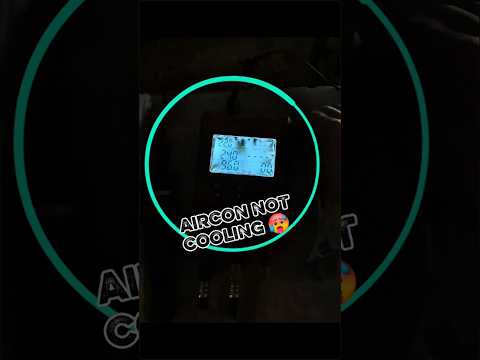
In the video above, Uncle Eric's team works on a Mitsubishi aircon that had stopped cooling, a typical example of one part of this loop letting the rest down. Below is how the system fits together, and where we most often find the problem.
What happens inside a split aircon?
Most Singapore homes use split systems: a wall-mounted indoor unit (the fan coil) in each room, linked by copper pipes and cables to an outdoor unit (the condensing unit) on the ledge or roof. A System 2, 3 or 4 is a multi-split, with one outdoor unit serving two, three or four indoor units.
The cooling cycle has four steps:
- Evaporator coil (indoor). Cold, low-pressure refrigerant flows through the thin fins of the indoor coil. The blower fan pulls room air across it, the refrigerant absorbs the heat and boils into a gas, and cooler air comes out.
- Compressor (outdoor). The compressor, the heart of the system, squeezes that gas into a hot, high-pressure gas. On an inverter system it speeds up and slows down to match the cooling needed.
- Condenser coil (outdoor). The outdoor fan blows air across the condenser coil, and the hot gas gives up its heat outside and turns back into liquid.
- Expansion valve. The liquid passes through an expansion device, often an electronic expansion valve (EEV or LEV) on inverter systems, which drops its pressure and temperature so it can absorb heat again indoors (watch: a faulty EEV/LEV causing no cooling).
Why does an aircon produce water?
As warm, humid air crosses the cold evaporator coil, moisture condenses on the fins, the same way a cold drink sweats on a table. That water drips into a drain pan under the coil and flows out through a drain pipe laid with a steady fall. In Singapore an aircon removes a lot of water every day, which is why a drain clogged with slime or dust is one of the most common faults we fix. Our guide to the main causes of aircon water leaks explains how to tell a blocked drain from the other causes.
What are the other key parts?
- Blower fan: the drum-shaped fan inside the indoor unit that pushes air into the room.
- Air filters: the mesh screens that catch dust before it reaches the coil.
- PCB: the printed circuit board, the aircon's brain. Indoor and outdoor units each have one, and they talk to each other through the connecting cable.
- Thermistors (sensors): they read room, coil and pipe temperatures and tell the PCB what to do.
- Fan motors: one indoor, one outdoor.
- Refrigerant: R32 on most current inverter systems, R410A on many slightly older ones, and R22 on very old units, now phased out. Each system takes only the gas it was designed for; mixing types or topping up blindly damages it.
Which part is behind each common problem?
Symptom | Part usually involved | Typical fix | DIY or technician |
|---|---|---|---|
Not cold, or weak cooling | Dirty coil or blower fan, low gas from a leak, faulty fan motor or EEV | Deep clean, leak repair and recharge, part replacement | Clean filters yourself; the rest is technician work |
Ice on pipes or the indoor coil | Evaporator: low gas or very poor airflow | Leak check, clean coil and blower fan, recharge | Technician |
Water leaking indoors | Drain pan, drain pipe, or a coil so dirty water overflows | Flush the drain, clean the coil | Technician |
Rattling, buzzing or squealing | Jammed or dirty blower fan, worn fan motor, loose parts outdoors | Clean, tighten or replace | Technician |
Musty or sour smell | Mould and biofilm on the blower fan, coil and drain pan | Servicing, or a chemical wash if the fan and drain pan are slimy | Technician |
Blinking light or error code | PCB has detected a fault from a sensor, motor or the gas circuit | Read the code, repair the fault | You can read the code; the repair is technician work |
Outdoor unit hot, cooling weak | Dirty condenser, blocked ledge, bird nesting | Clean the condenser, clear the space around it | Technician |
For cooling problems, start with the causes of an aircon not being cold, our main guide to poor cooling and what a technician checks. For blinking lights, our guide to reading a Daikin blinking-light error code shows how the PCB reports a fault. If the table points to a part failing rather than dirt, our aircon repair and troubleshooting team can find and fix it.
How do you keep each part healthy?
Most of the problems above start with dirt. Regular servicing keeps the coil, blower fan and drain clear, and lets a technician catch a weak fan motor, a corroded flare joint or a drifting sensor early. Dirt also works its way deeper over time, so a unit that has gone years without a proper clean may need more than a general service. To choose the right level of cleaning, compare general servicing, chemical wash and chemical overhaul, which sets out what each one cleans and when a unit needs it.
If you are replacing a system, look for a brand with strong local parts support, size each room correctly and choose an installer who tests the pipes for leaks, then pumps out the air and moisture before the gas goes in. Our buying and installation guides on the blog cover each step.
When to call a technician
Call a technician rather than trying a fix yourself if your aircon:
- runs but blows warm or barely cool air
- shows a blinking light or error code
- has ice on the copper pipes or the indoor coil
- trips the power or will not turn on
- leaks water, smells or makes new noises that cleaning the filters does not cure
Anything involving the gas circuit, the PCB or an outdoor unit on a ledge needs proper tools and safety equipment. Every service comes with a 90-day warranty. Book online in under a minute, or ask Luna, our AI assistant, on WhatsApp any time.
Frequently asked questions
Does an aircon bring in fresh air from outside?
No. A split aircon recirculates and cools the air already in the room. The outdoor unit only releases heat; it does not supply outside air to your room, so you still need to air out the room now and then.
What refrigerant gas do aircons in Singapore use?
Most current inverter systems use R32, many slightly older ones use R410A, and very old units may still run on R22, which has been phased out. Each system must only be charged with the refrigerant it was designed for, which is shown on the outdoor unit's label.
Why is my outdoor unit running when the indoor unit is off?
On a multi-split System 2, 3 or 4, the outdoor unit runs whenever any indoor unit on it is cooling, so another room may be using it. If every indoor unit is off and the outdoor unit keeps running, have it checked.
How long does an aircon compressor last?
It depends heavily on how the system was installed and maintained. A clean condenser, the correct gas charge and a properly evacuated system all reduce strain on the compressor, which is the most expensive part to replace.
Can I clean my aircon myself?
You can safely wash the air filters every few weeks. The coil, blower fan, drain and outdoor unit need dismantling, the right chemicals or a high-pressure wash, and working at height for ledge units, so leave those to a technician.

Eric Lim, aka Uncle EricFounder of iAircon.Repair, now in its 10th year servicing aircons in Singapore. Every job is filmed, so you can watch the work on YouTube.